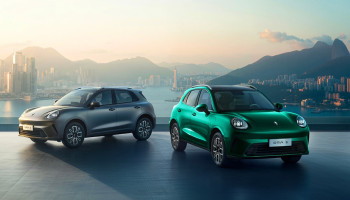
Freelander Reborn: Land Rover Heritage SUV Name Returns as Chery–JLR Electrified 4x4





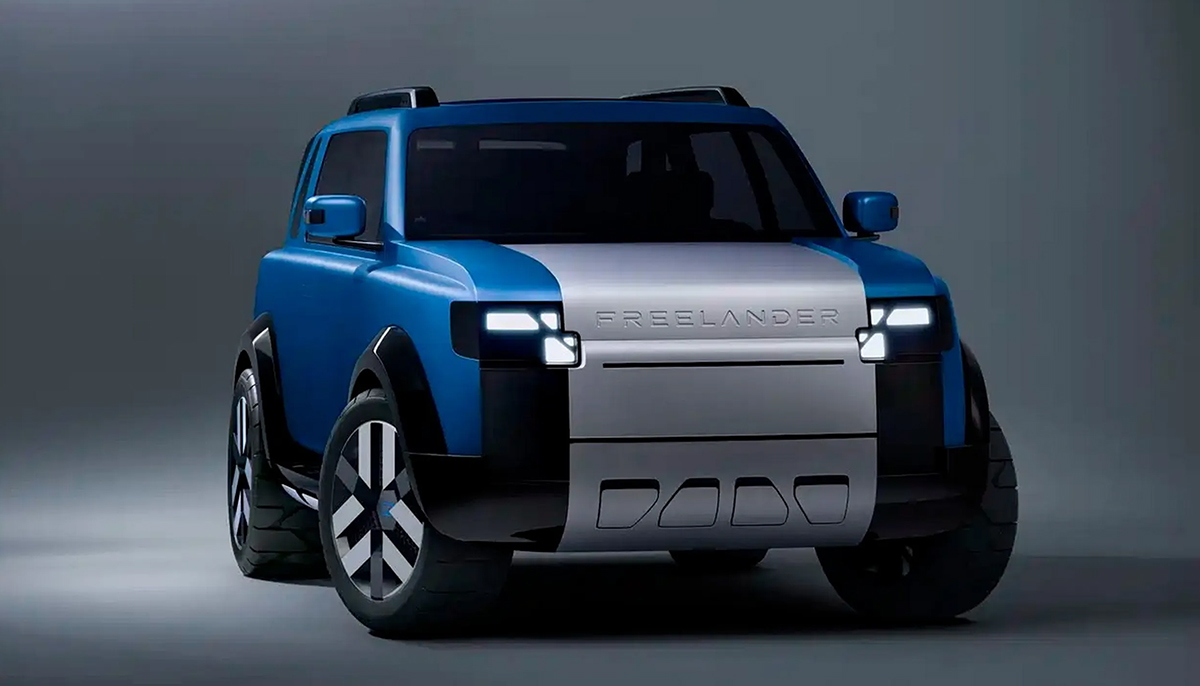
The revived Freelander brand has been officially unveiled in China, returning as a rugged electrified 4x4 developed through the JLR–Chery joint venture.
Positioned as a globally focused nameplate, the Freelander brand is already planning an aggressive expansion into international markets, including Europe.
At launch, Freelander sits alongside Chery’s wider portfolio—including Omoda, Jaecoo, Lepas, and iCar/iCaur—but is led by a mid-size, off-road-oriented family SUV.

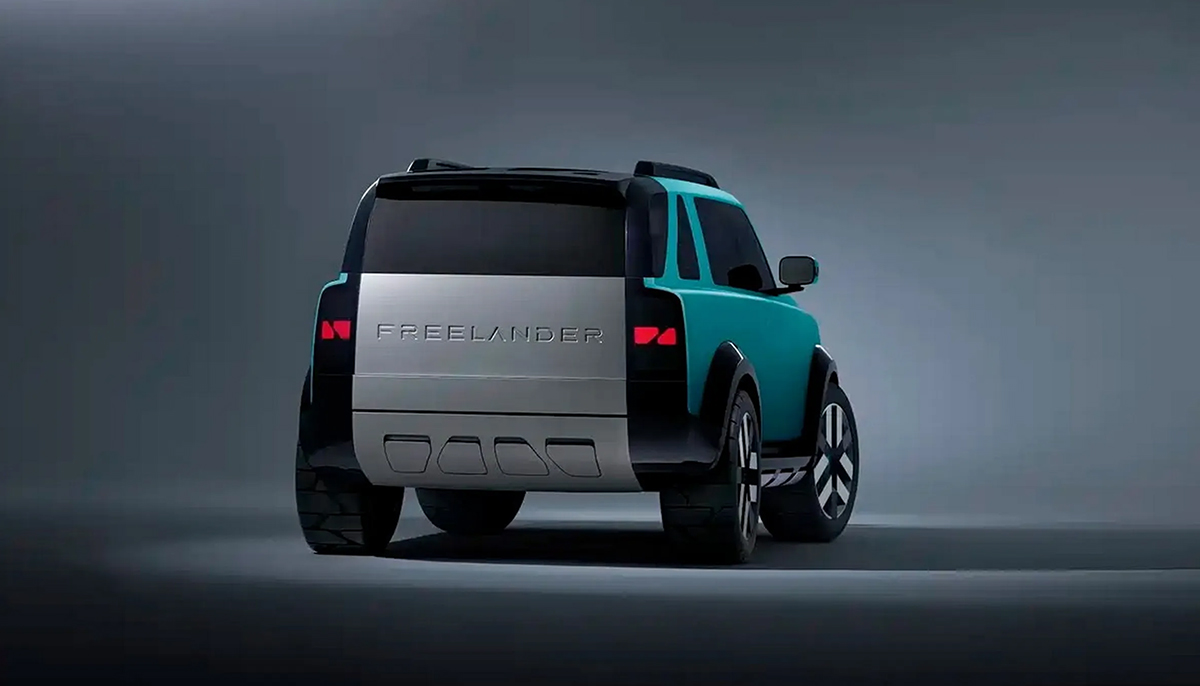
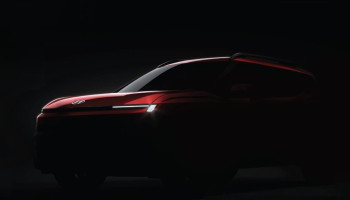
The production model is closely related to the bold Concept 97, a design study that pays homage to the original 1997 Land Rover Freelander.
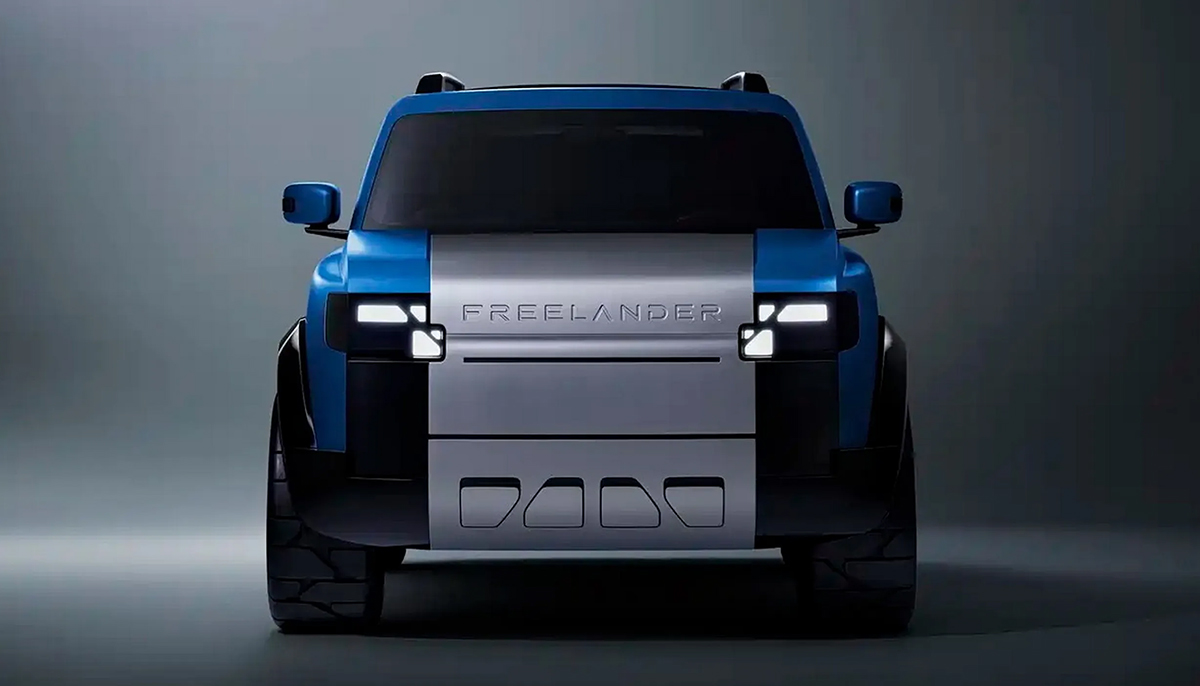
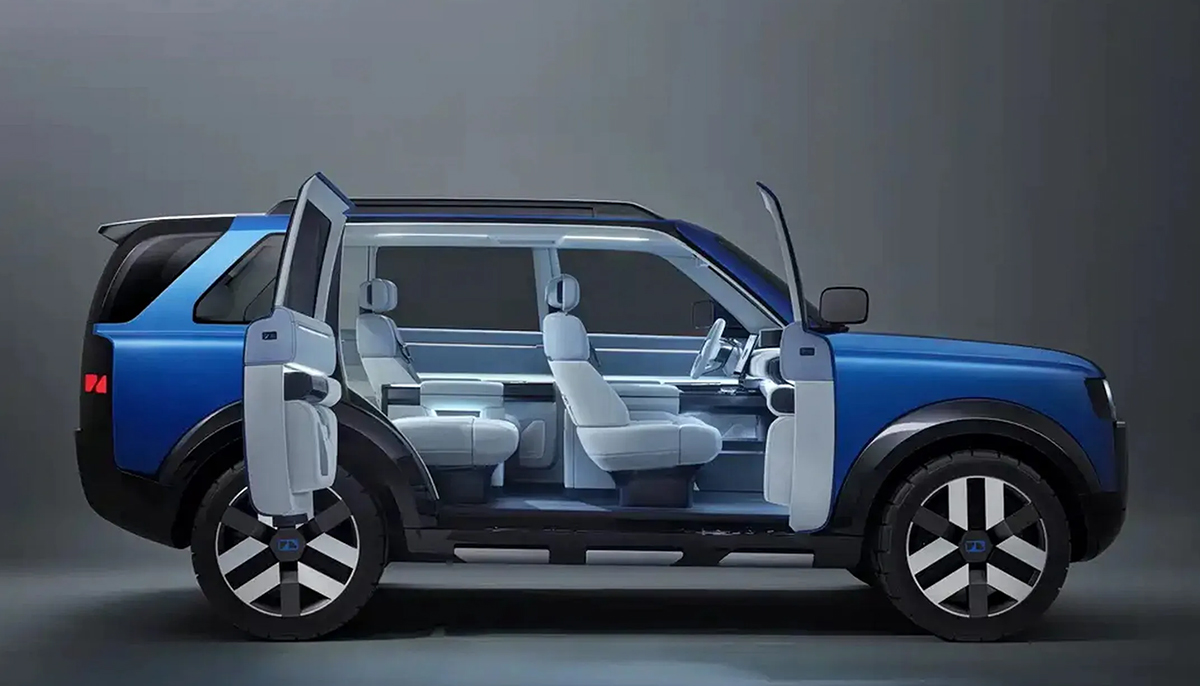
While elements such as pillarless styling and rear doors with a reverse-opening layout stand out in the concept, the overall design language is expected to carry over into production with minimal changes. The Concept 97 name itself directly references the original Freelander’s debut year, reinforcing its heritage-led revival.
Freelander has also confirmed a fast-paced product rollout strategy, targeting a new model every six months over the next five years. Each model will be offered with EV, range-extended (Rex), or PHEV options, reflecting a clear focus on drivetrain flexibility rather than single-powertrain dependency.
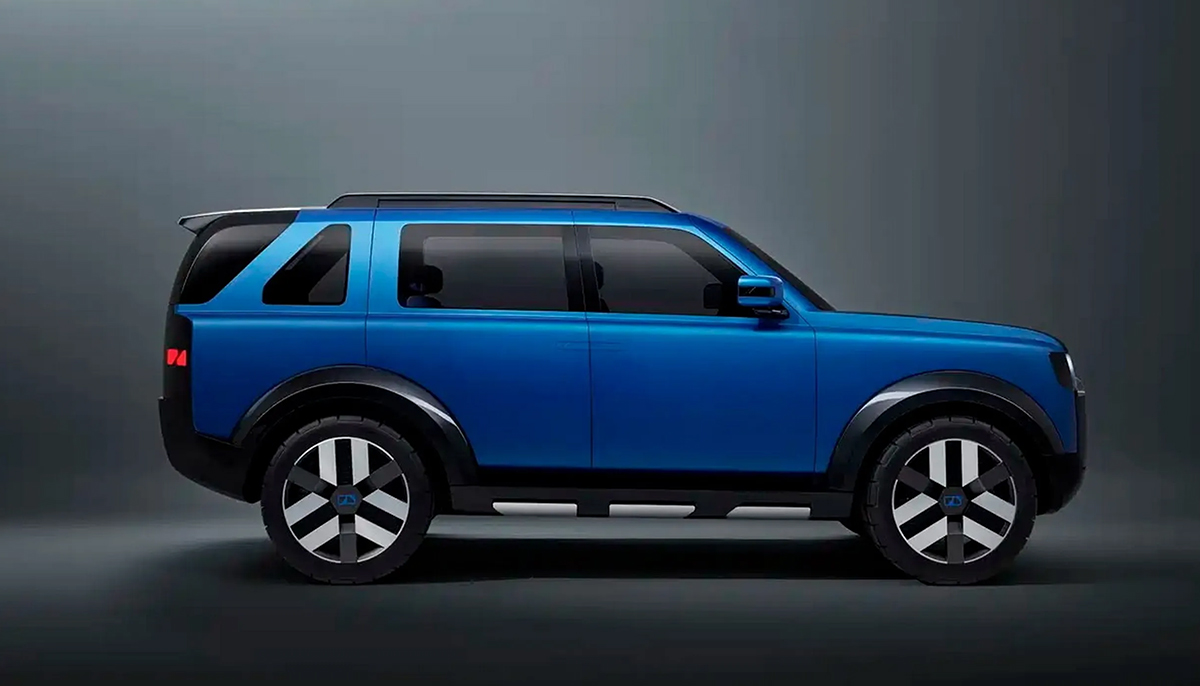
Underpinning the Concept 97 is Chery’s T1X architecture, with dimensions exceeding 5,100 mm in length and a wheelbase of over 3,000 mm, placing it in the mid-to-large SUV category. The cabin adopts a six-seat (2+2+2) layout, including a second-row zero-gravity seat designed for enhanced long-distance comfort.
In terms of tech, the Concept 97 features Huawei’s Qiankun intelligent driving system with advanced driver assistance hardware, supported by an 896-line dual-optical LiDAR setup for high-resolution environmental sensing. An advanced all-terrain system is also included, using predictive suspension control and multi-differential management to adapt to varying surfaces automatically.
Battery technology, co-developed with CATL, introduces a dedicated off-road-focused “Freevoy” range-extended hybrid pack, capable of ultra-fast 360 kW (6C) charging. It also integrates reinforced underbody protection, advanced thermal safety systems, and next-generation cell-to-pack construction.
Inside, the cabin adopts a high-tech, lounge-like layout. A pillar-to-pillar display spans the base of the windshield, paired with a large central infotainment screen. Physical controls remain via rotary dials and steering wheel buttons, ensuring tactile usability alongside digital interfaces.
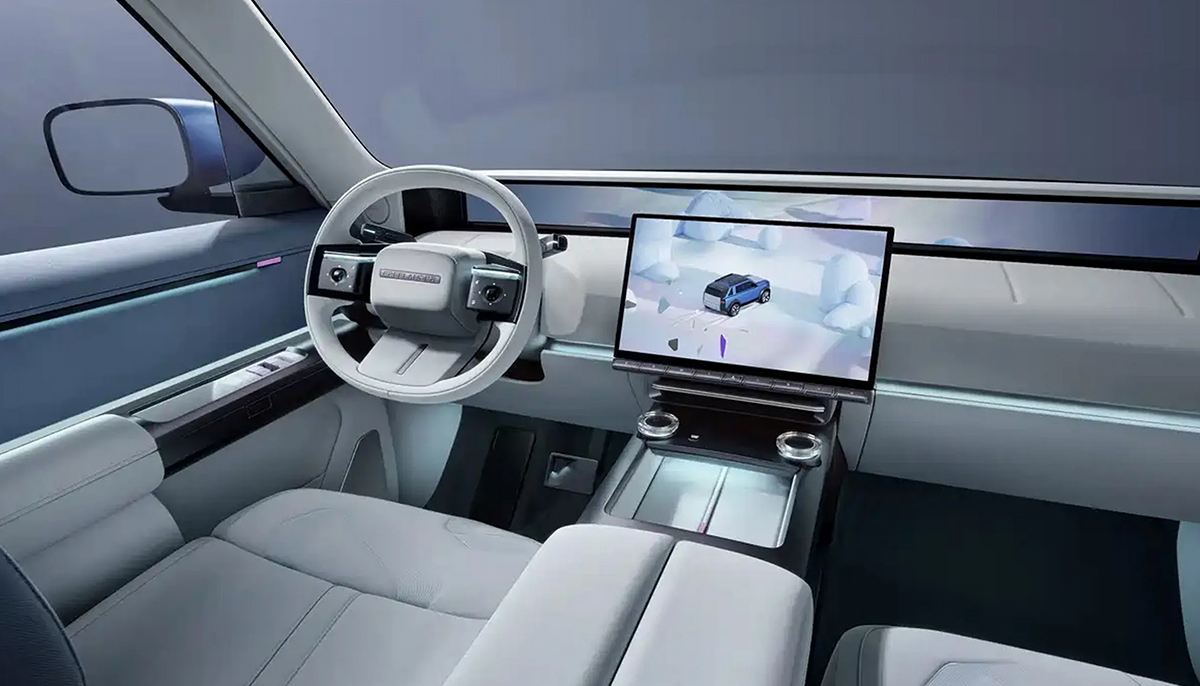
Rear passengers also get a drop-down entertainment screen and a raised central console, reinforcing a consistent tech-focused experience across all three rows.
Following its initial launch in the Chinese market, it will also arrive in the Middle East and later Europe, with each region expected to receive variants tailored to local market demands.
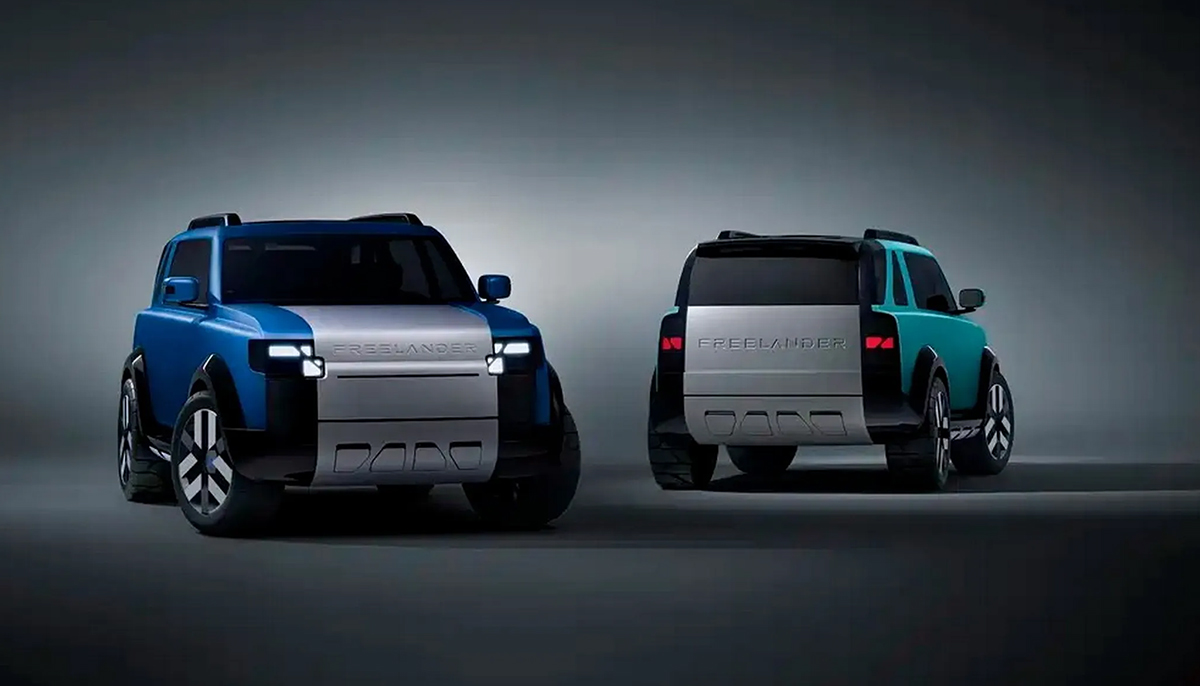
The Freelander brand’s public debut is scheduled for next week at the Auto China 2026 show in Beijing, with further details to be revealed subsequently.




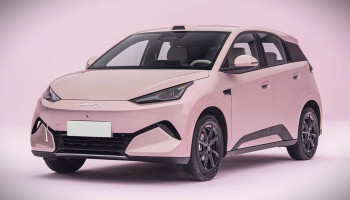
Second-Gen BYD Atto 1 Pre-Orders Open in China
Hyundai Bayon Bookings Open in India Ahead of Launch